
Cutting grapple: safety and operating comfort in brush clearing
The role of grapple cutters in modern brush clearing
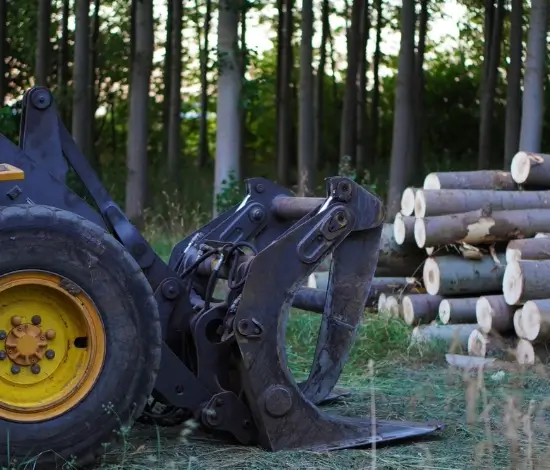
Grapple cutters have emerged as essential equipment for contemporary brush clearing. These nifty machines combine two critical steps: cutting and grabbing into a seamless action. At the heart of a grapple cutter is its pair of jaws. These jaws capture hard brush, woody plants, or even small trees while powerful blades inside slice them at the base. This arrangement allows one pass to both cut and extract brush, which accelerates the overall effort and leaves the site neater. For crews in brush, this grab and cut mix translates to reduced double handling and fewer walks.
Key benefits for agricultural operations
Efficient clearing
When it comes to agriculture, maintaining clear and safe land is a fundamental aspect of daily work. A cutting grapple, or “grappin coupeur,” has a big part to play in this. It employs muscular arms and blades to capture and chop up thick brush, branches, and saplings.
Safe operation
Another advantage is nominal soil disruption. When land clearing, don’t tear up topsoil or leave deep ruts. The cutting grapple works close to the ground without digging in. Its jaws cut and lift material, so roots stay put and ground cover isn’t pulled away.
Reduced maintenance
Long-term maintenance costs decline, too. Simple manual or light machinery clearing often leaves roots or stumps to sprout forth again. Grapples can yank out denser brush and small trees at the root, stunting regrowth. This keeps fields clear for longer, reducing the need for follow-up clearing.
Essential safety measures for operation and maintenance
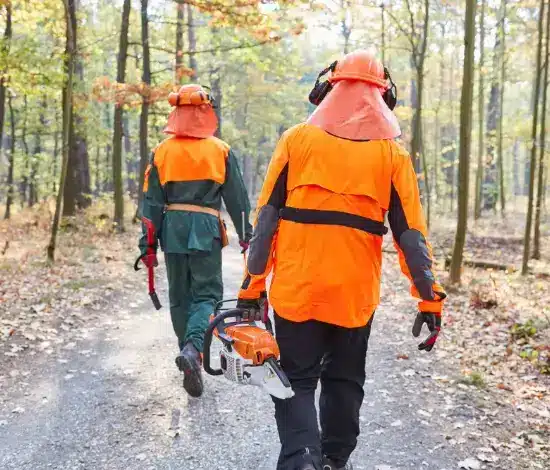
Working with a grapple cutter for brush clearing is dangerous if safety precautions are ignored. Operators must wear appropriate safety equipment, perform pre-operation inspections, and observe repair protocols. These precautions reduce the risk of injury and assist in maintaining the machine’s performance. Habits of excellence earn respect and demonstrate that you care about the team and the job site.
PPE is crucial. The proper equipment protects employees from flying debris, sharp edges and machine noise. They’re hard on your hands or can make tiny incisions, so gloves with a heavy grip assist. Helmets prevent head injuries from falling branches or tool slips.
Criteria for selecting the right grapple cutter
Selecting the appropriate grapple cutter for brush clearing or débroussaillage is crucial not only for efficiency but for safety. What’s right for you hinges on your job size, the brush or debris type, and the gear you intend to use on site. Grapple cutters are available in various shapes and sizes, each designed for specific types of work. Some are better for logs, others for brush, and a few can handle both. Before choosing a model, it’s wise to consider a few key factors that are important for practical use and enduring worth.
First, consider the grapple cutter’s capacity. After all, not all brush and trees are created equal. If the brush is dense or the trees are broad, say over 30 centimeters in diameter, you require a large, powerful cutter. The two-claw grapple cutter is a solid choice for working with medium to large logs. This type allows you to easily pick up, hoist, and shift large concentrations of wood. For lighter work, such as hay bales or loose debris, a smaller, lighter grapple could get the job done and be cheaper to operate.
Upgrade your brush clearing equipment
Contact us for safe, efficient grapple cutters designed to maximize productivity and operator comfort on every site.