
Optimized cutting and handling of biomass for energy production
Understanding biomass and its energy potential
Biomass is simply organic material that comes from plants, animals, or waste and can be used to generate energy. This could mean forest wood, crop residue, animal droppings, or even food waste. Biomass has been used for ages, such as burning wood for heat or cooking. Today, it’s about more than just incineration. Today, there are methods to harness this material to produce power, heat, and even fuel for vehicles and aircraft. When we say “biomass,” we mean a hodgepodge of different items—corn stalks, sugarcane, sawdust, even some algae. It’s not just one thing, so it provides folks with lots of options based on what’s locally available.
Principles of optimized cutting and handling
Optimized cutting
Optimized cutting and handling of biomass rest on a few main ideas: careful planning, smart use of equipment, and trained staff. It’s a specific set of optimized cutting and handling principles where the objective is to yield the maximum usable material with minimal waste, maintain safe work, and contain costs.
Harvest timing
When and how you cut and harvest biomass affects quality. There is a seasonal change in the moisture level of biomass, which influences its utilization. For instance, wood that is cut after a dry spell requires less drying time down the road.
Automated processing
By adding automation, you can make the entire system slicker. Machines equipped with sensors can cut, collect, and transport biomass while requiring less human intervention, reducing labor demand and minimizing errors. For instance, a baler equipped with smart sensors can calibrate itself for ideal bale size and moisture.
Technologies shaping efficient biomass operations
Biomass supply chains become more efficient when they’re armed with the right combination of smart hardware, software, and planning. These steps count globally because they reduce costs, minimize environmental impact, and maximize how much energy is extracted from plant waste. Although each site is unique, the same suite of technologies tends to arise regardless of whether you’re dealing with sugarcane in Brazil, straw in Europe, or wood chips in Asia.
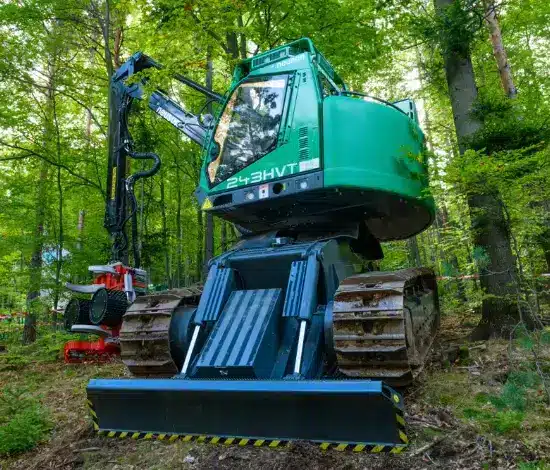
For large scale biomass operations, advanced chippers, shredders, and balers are now the norm. These tools shred bulky material fast and evenly, which helps maintain consistent energy per kilogram. Chippers and shredders accelerate those initial stages by slicing and grinding large stalks or logs.
Logistics and storage strategies for reliable supply
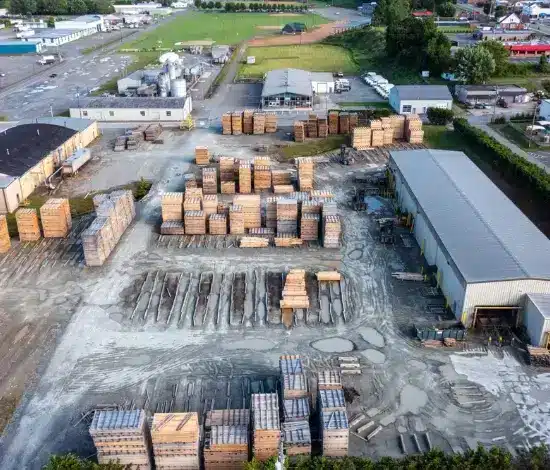
In biomass-world, it’s not just about transportation and harvesting to maintain a steady supply. It’s a fine combination of logistics and warehousing that dictates the dependability of a supply. Biomass supply chains have significant, real-world challenges, such as managing feedstock variety, storage issues, and fluctuating demand. These issues can make it difficult to maintain a consistent supply. Strategies for making the supply chain operate more smoothly, like intelligent routing, tracking, and effective backups, help mitigate these aches.
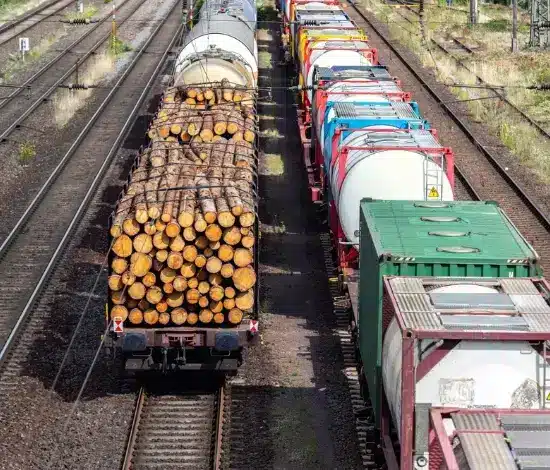
Mapping out transport routes and schedules accomplishes more than simply moving biomass from A to B. It reduces lead times and aids in maintaining quality. A route that steers clear of bumpy roads or extended waits will reduce the chance of spoilage or loss. Pre-planned runs, configured with assistance from digital mapping or genetic algorithms, can avoid congestion and ensure drop-offs align with need.
Material-specific approaches for diverse biomass sources
Biomass is not one size fits all. Each kind requires its own distinct method of harvesting, drying, transporting, and storing. The principal varieties, wood, stalks, and biowaste, are quite different. Each has its own consistency, dimensions, moisture content, and potential to spoil. Selecting the appropriate technique and implements for each preserves safety and helps optimize feedstock utilization.
Wood from trees, such as logs or chips, is hard and dense. It frequently requires hard, powerful saws or chippers. Wood pieces must be the same size so they dry at the same rate, which requires careful handling. Wood can be air-dried outdoors but must remain off the ground to prevent mold. For storage, wood piles need to be well-ventilated to prevent rot. Crop leftovers, such as straw or corn stalks, are more fragile and crumbly.
Optimize your biomass energy production
Contact us for cutting-edge equipment and expert solutions to maximize efficiency and profitability in biomass operations.