
Hydraulic hose structure and standards
Hydraulic hoses on harvesters are built from three main parts: the inner tube, the reinforcement layers, and the outer cover. Every component has a distinct function. The inner tube, crafted from synthetic or natural rubber, transports the hydraulic fluid. This tube needs to be able to carry the type of fluid being used and not deteriorate from it. Over this is one or several reinforcement layers. These layers, typically braided steel wire or textile, provide the hose with strength to withstand high pressure. The cover shields the hose from external damage, such as abrasion, UV light, or ozone. For instance, a harvester wrangling in open fields is confronted with intense sun and could easily be driven over something, so a tough cover prolongs the life of the hose.
Every hose has key specs. Important ones are the inside diameter (I.D.), which determines how much fluid can flow through, and the outside diameter (O.D.), which is important when working in confined spaces. The working pressure indicates the typical pressure the hose may contain securely. Burst pressure is way higher, typically four times the working pressure, to ensure the hose won’t give out during spikes. The minimum bend radius (MBR) indicates how tightly you can bend the hose without kinking it or damaging the inner tube. For instance, a 1/2 braided hose may have an MBR of 75 mm; therefore, on a compact harvester frame, it requires space to bend without risk.
Selecting the right hose involves more than just considering its size. Pressure ratings and temperature limits are crucial. Average hoses go from -40°C to +100°C (-40°F to +212°F). Few particular hoses use better rubber or thermoplastics to function in even colder or hotter locations. For instance, harvesters in cold areas require hoses that remain flexible below freezing, whereas those in tropical regions need covers that won’t crack under the heat. Common hose sizes range from 6 mm to 50 mm (1/4 inch to 2 inches), though larger ones exist for specialized work.
| Hose Type | Common Standard | Working Pressure (bar) | Temp Range (°C) | Key Feature |
| Braided | SAE 100R1AT | 80–250 | -40 to +100 | Good flex, wide use |
| Multi-spiral | SAE 100R12 | 280–420 | -40 to +100 | High strength, less flex |
| Thermoplastic | ISO 3949 | 70–210 | -40 to +100/+120 | Lighter, resists wear |
Identifying frequent installation mistakes on harvesters
Hydraulic hoses are essential to the efficient and safe operation of harvesters. If hoses aren’t installed properly, it can cause leaks, lost horsepower or worst, danger to the crew. Recognition of these common installation errors reduces downtime and keeps things safe.
Common errors during hose installation:
- Selecting the incorrect hose length or size for the task.
- Skipping the step of cleaning hose ends before fitting
- Neglecting to inspect for bends or kinks in the hose path.
- Installing hoses too close to sharp or hot parts
- Not utilizing proper clamps or supports to secure hoses.
- Mixing up pressure and return hoses
- Allowing too much slack can cause the hose to rub or whip.
- Failing to check for leaks after installation
The top cause of leaks or bursts is using mismatched connectors or fittings with hoses. Every hose and fitting is engineered for specific pressure and flow. The moment you pick connectors that don’t match the hose specs or use a thread type from another standard, you open yourself up to weak seals or cross-threading. For instance, using a metric fitting on an inch hose might appear to function initially, but hairline gaps develop under pressure. That can lead to leaks, premature wear, or an unexpected pressure drop. Determine the most common installation errors on harvesters. Follow the manufacturer’s manual or consult reference charts if uncertain. This aids in maintaining the seal tight and secure at all times.
Incorrect hose routing leads to much of the wear we see on harvesters. Hoses that pass too close to sharp edges, moving parts, or get crushed by covers can wear out quickly. If a hose rubs on metal or plastic, the cover will wear down and the inner tube can rupture. This is the case if the hose is allowed to move too much or if it is placed in a path that bends more than the hose can handle. For instance, a hose dangling near the wheel axle will flap every time the harvester moves, cracking the hose. Clamps and guides are essential to keep the hose positioned and prevent it from rubbing or stretching.
It’s important to achieve proper tightness on each hose end. If the fitting is too tight, it’ll strip the threads, crush the fitting, or even crack the hose. If it is too loose, fluid will leak out, or the hose will slip off under pressure. Use a torque wrench whenever possible, adhering to the manufacturer’s specifications. Even a slight error in tightness can result in huge leaks or a hose blowing off in the middle of work. Be sure to check every joint after installation and prior to first use.
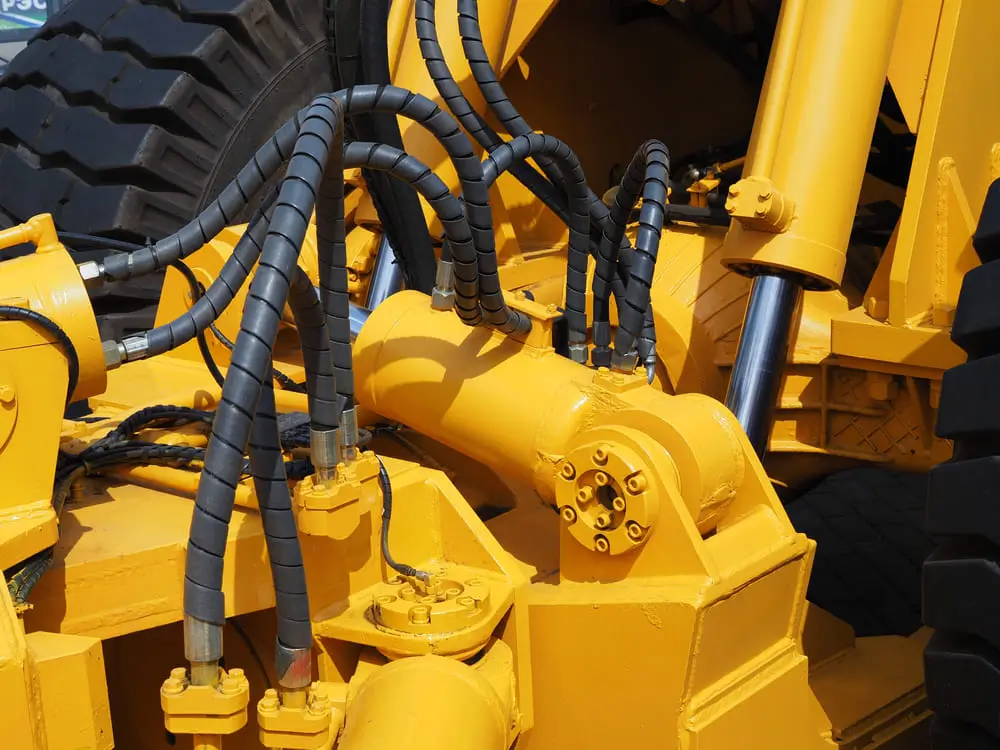
Recognizing the impact of improper installation on harvester performance
As any harvester operator knows, improperly installed hydraulic hoses can cause all sorts of trouble that can bog down work, reduce efficiency, and even endanger lives. Knowing how these errors affect harvester performance is critical for anyone dependent on harvesters to get the job done, from agricultural to forestry to industrial users. The proper way to install hoses is more than just good for the sake of good. The performance of the harvester, machine life, safety, and costs are all at stake.
Leaks or bursts from improper installation are one of the most apparent issues. When hoses aren’t installed correctly, loose fittings or twisted lines can create weak points. Over time, they are prone to crack, leak, or even blow out. A small drip, after all, seems no big deal initially, but leaks can cause hydraulic fluid levels to rapidly decline, reducing system pressure and sapping the machine of power. At worst, a burst can take down the entire hydraulic system. For instance, a harvester operating in the field might seize its arms or blades if the hydraulic circuit fails. This kind of complete breakdown results in lost time and wasted effort, sometimes right in the middle of an important harvest.
Less efficiency and increased downtime are obvious byproducts of incorrectly mounted hoses. A hose rubbing on metal parts or bent too tight can obstruct flow. This obstruction reduces the speed at which the harvester’s components operate and decreases hourly productivity. Machines might have to halt frequently for expedient repairs and chronic problems can accumulate. For example, a hose mounted without enough slack can kink, causing uneven flow or overloading the pump. This can cause overheating or wear on other components, contributing to downtime and shortening the life of the entire hydraulic system.
Safety hazards are an actual concern. Hydraulic fluid flows under extremely high pressure, commonly exceeding 200 bar in many harvesters. If a hose bursts, a fine jet of oil can come out with sufficient pressure to break skin or cause burns. Nearby workers are in jeopardy, even the gloved and goggled ones who have to watch out. There are numerous accounts of harm from high-pressure fluid ejections, which can occur suddenly. In addition to inflicting immediate damage, leaks can cause surfaces to become slick, resulting in slips or falls near the machine.
The cost of repair is not insignificant. Repeated repairs, new hoses, and lost work hours cost fast. If hose replacements occur prematurely due to poor installation, it drives up operating expenses for the entire fleet. As time passes, even tiny errors in hose installation can translate into paying far more for parts and labor than necessary. In a harsh market, these expenses can make a significant profit margin difference.
Selecting the right hydraulic hoses for harvesters
Choosing hydraulic hoses for a harvester is about aligning the right hose to the stress of the machine and the job at hand. Every harvester has different pressure, temperature, and movement requirements. Choosing the right hose can save you from leaks, failures, and expensive downtime.
First, match the hose’s pressure rating to the harvester’s system. The hose must withstand not only the normal operating pressure but the pressure spikes that occur during work. If a harvester’s hydraulic system operates at 250 bar, the hose should have a rated pressure that equals or exceeds this. If you use a hose with a lower rating, you’re putting the entire system at risk of bursting or gradual damage. Always check the specs and look for hoses that meet SAE or ISO standards for pressure.
Second, verify the hose material and temperature range. Hydraulic hoses are not created equal. Some function well in cold or hot temperatures. For instance, a hose that can withstand temperatures from -46°C to 126°C (-50°F to 250°F) will survive in freezing winters and hot summers alike. It matters where harvesters experience day-night swings or operate across different seasons. Choose a hose with a cover and tube that can endure the temperature of both the fluid and the field.
Compatibility is a necessity. The hose needs to fit the type of fluid — mineral oil, synthetic, or biodegradable. Certain hose materials degrade if used with the incorrect fluid. Fit the hose to the machine’s fittings and size needs. Even a slight mismatch will cause leaks or fitting failure. Verify the application environment as well. If the harvester operates in rough ground, mud, or dust, a rugged outer cover extends hose life.
Flexibility and abrasion resistance are important for hoses that move a lot. Harvesters feature moving arms and joints, so hoses frequently flex or scrub against components. A hose with a good bend radius provides as much as 43% better bending than the standard, which makes installation easier and extends life in tight spaces. Abrasion-resistant covers are essential in areas where hoses drag or brush against metal. Heavy-duty covers can provide up to 700 times more abrasion resistance. For the majority of work, a cover with no less than eight times the standard abrasion resistance is a wise pick.
A simple checklist helps avoid mistakes:
- Verify the hose’s pressure rating is equal to or above the system pressure.
- Examine the operating temperature of both the fluid and the environment.
- Ensure the hose is suited to the type of hydraulic fluid.
- Consider bend radius and hose flexibility for constricted areas.
- Choose abrasion resistance based on the expected wear.
- Match the hose size and fittings to avoid leaks.
- Inquire for Class 0 Leakage (SAEJ1176) zero-leak systems hoses.
- Expect to replace hoses every 2 to 3 years or more frequently if worked hard.
- Ensure that the supplier’s specs match both the harvester and local requirements.